The 'Friuli Model'
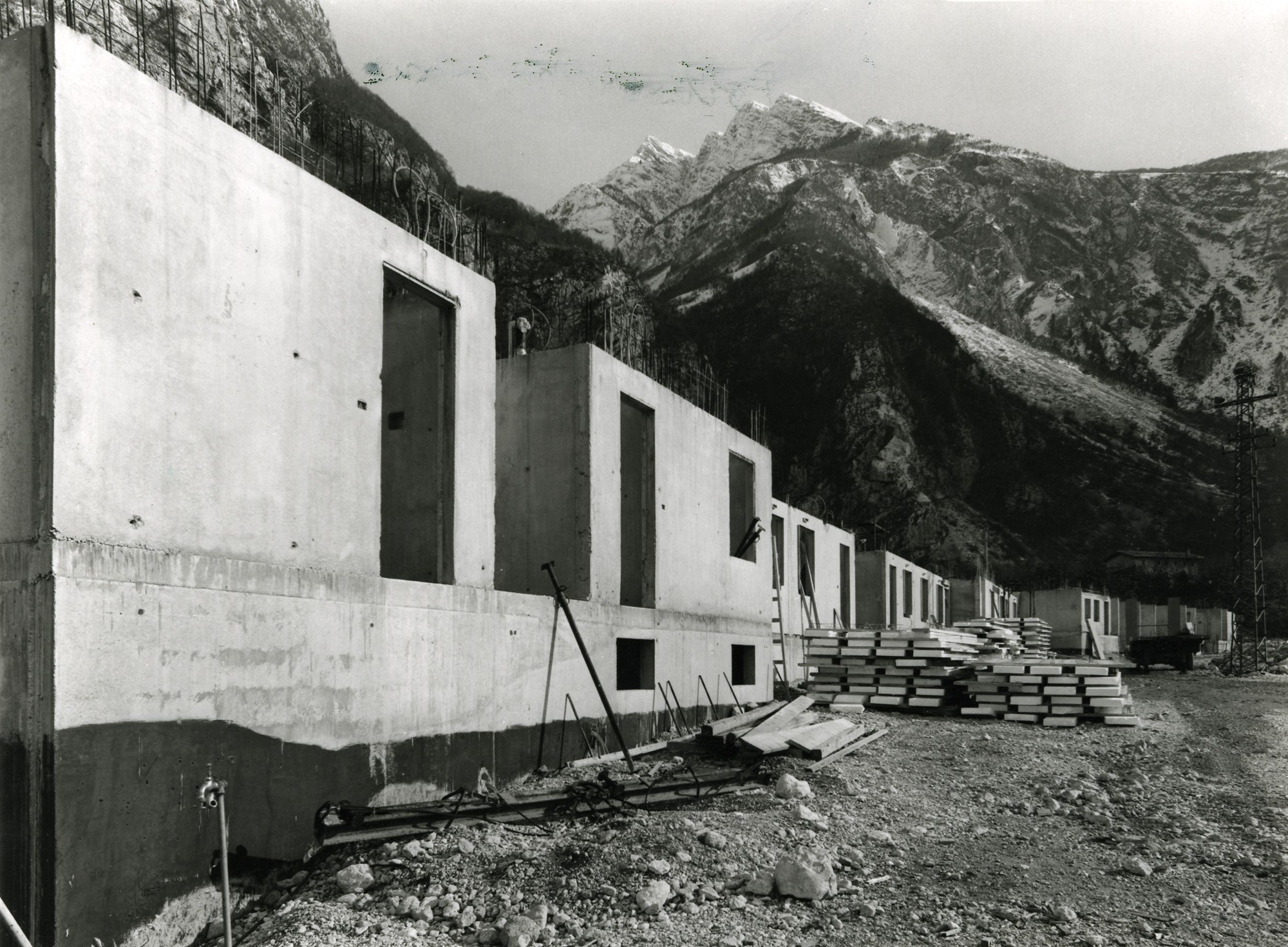
Elio Ciol, Biblioteca del Consiglio regionale FVG Livio Paladin
Ricostruzione nelle zone del Friuli colpite dal terremoto
The expression ‘Friuli Model’
emerged when it became clear that the reconstruction of earthquake-ravaged
Friuli would be completed in under fifteen years. While the term ‘model’
suggests replicability, the more time passes, the more unique the Friuli model
of emergency response and post-earthquake recovery appears. This is because it
is linked to conditions that cannot be reproduced and which were not present in
the earthquakes in Irpinia (1980) and L'Aquila (2009). These are the only
seismic events comparable in magnitude and damage to the 1976 crisis in Friuli.
Five decades on, the most
striking aspect of the Friuli Model is the decentralisation at multiple levels
that made this system possible. Legislatively and administratively, the Central
State Government granted the fledgling Regional administration substantial
autonomy, and the Regional Council subsequently delegated the full spectrum of
responsibilities and functions to the local Municipalities. These duties
included preparing detailed urban plans and managing subsidies for private
construction. This genuine ‘bottom-up’ reconstruction approach represented a
rare and successful instance of regional subsidiarity in the history of a
centralist State.
From a broader perspective, the
Friuli Model was based on an extraordinary sense of unity and a strong feeling
of belonging to the homeland. This unity was reflected in the involvement of
various key groups in Friulian society: the Church (from hierarchy to clergy),
intellectuals, social movements, political parties, and trade unions. It also
included governing authorities in administration, economics, and politics.
The Friuli Model was not
successful everywhere. In terms of urban planning, the decision to rebuild ‘as
it was, where it was’ produced mixed results, being more positive in small
historic centres and less so in more rural areas. There was also an absence of
a clear link between the post-earthquake planning and the Regional Urban Plan,
which was in fact approved during the earthquake crisis. Ultimately, it is
unclear whether the extraordinary circumstances of the post-1976 period were
given sufficient consideration in the administrative processes of the Regional
and Municipal administrations.